
Stainless steel crowns (SSCs) have been successfully used in pediatric dentistry for decades and remain one of the most reliable restorative treatment options. They are particularly indicated for primary teeth with multisurface caries, as protective restorations following pulpal therapy, or in patients with a high risk of caries. Owing to their mechanical durability and long-term clinical success, SSCs are still considered the gold standard in pediatric dentistry.
Compared with conventional restorative materials, SSCs require fewer repairs and provide a more durable restorative solution. Studies have reported survival rates of up to 96% beyond five years for stainless steel crowns. In addition, cementation with glass ionomer cement minimizes the risk of microleakage and reduces the incidence of secondary caries. Placement of a crown on pulpal-treated teeth encases the tooth structure, thereby preventing reinfection and reducing the risk of fracture. These advantages make SSCs particularly valuable in patients treated under general anesthesia, as they allow for a definitive, long-term solution in a single visit.
Clinical Application and Practical Tips
When planned with proper indications, SSC placement demonstrates a high rate of clinical success. Key considerations during clinical application include:
Video Coming Up Soon!
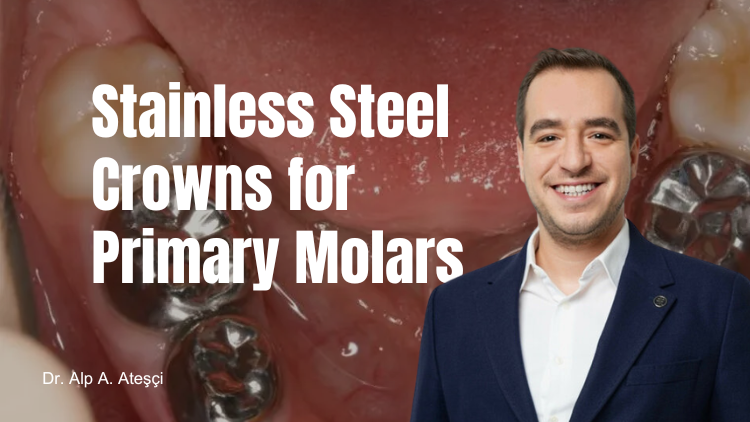
For clinicians seeking more detailed guidance on SSC applications, the session titled “Stainless Steel Crown Applications”, prepared by Dr. Alp Ateşçi, presents comprehensive information on indications as well as all clinical steps from tooth preparation to cementation, supported by representative clinical cases, soon on Trigemy.
References
1. Seale NS. The use of stainless steel crowns. Pediatr Dent. 2002;24(5):501–505.
2. American Academy of Pediatric Dentistry. Pediatric restorative dentistry. In: The Reference Manual of Pediatric Dentistry. Chicago, IL: American Academy of Pediatric Dentistry; 2024:452–465.
3. Innes N, Evans D, Hall N. The Hall Technique for managing carious primary molars. Dent Update. 2009;36(8):472–478. doi:10.12968/denu.2009.36.8.472
We use cookies to ensure the best experience on our website. By continuing to browse this site, you agree to our use of cookies. Learn more in our User Agreement, Privacy Policy, and GDPR Notice.