
05.04.2026
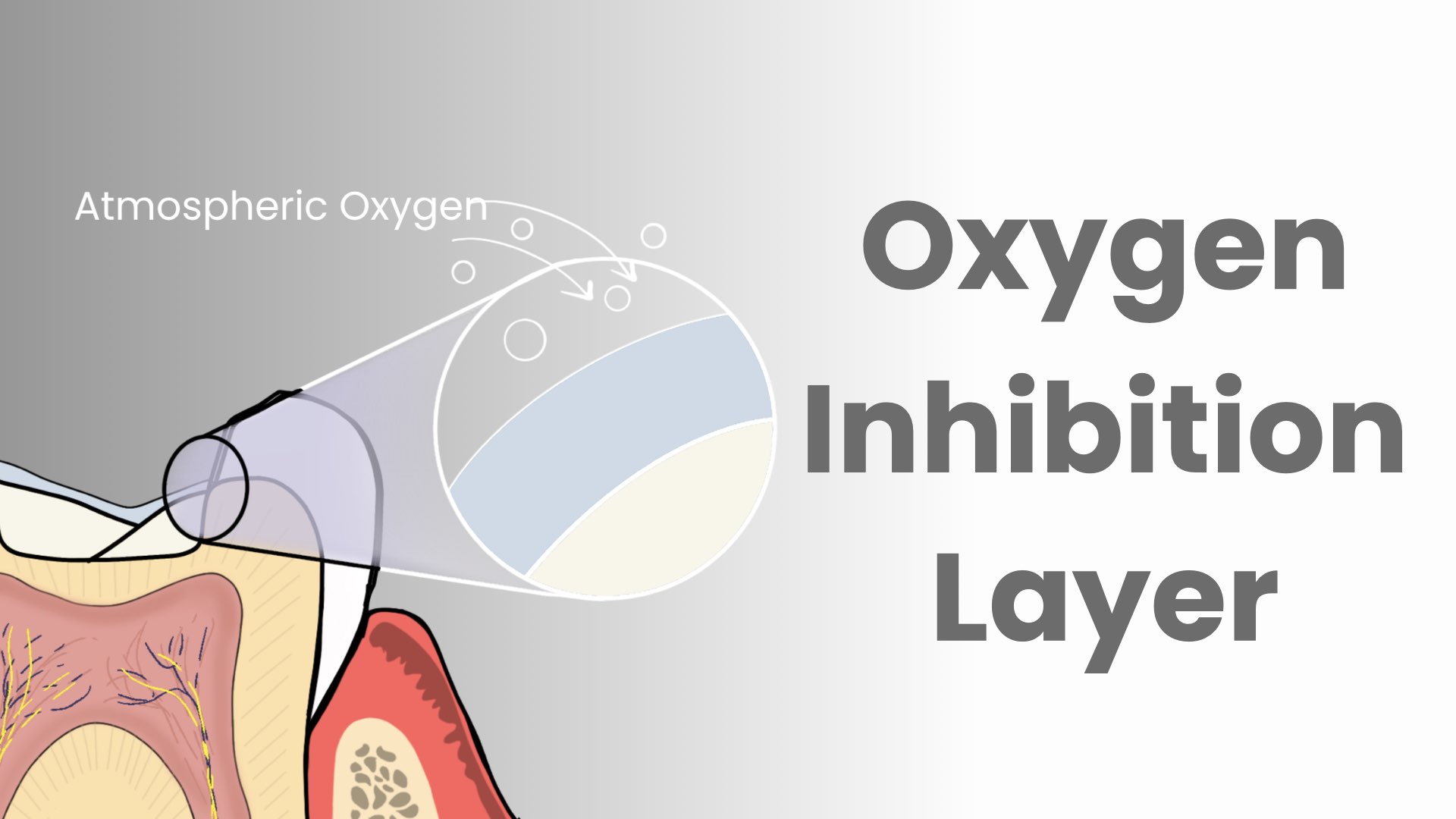
When composite materials are polymerized, complete polymerization does not occur in the superficial layer. The primary reason for this is that oxygen present in the environment reacts with free radicals during polymerization, interrupting the chain reaction at the surface.
View.png)
28.03.2026
The clinical success of botulinum toxin relies on a comprehensive understanding of its mechanism of action at the neuromuscular junction, as well as the anatomical relationships of the target muscles.
View
22.03.2026
The primary objective of apreparation is to preserve as much sound structure as possible while reinforcing weakened areas, increasing the adhesive surface area, and ensuring the long-term functional success of the restoration.
View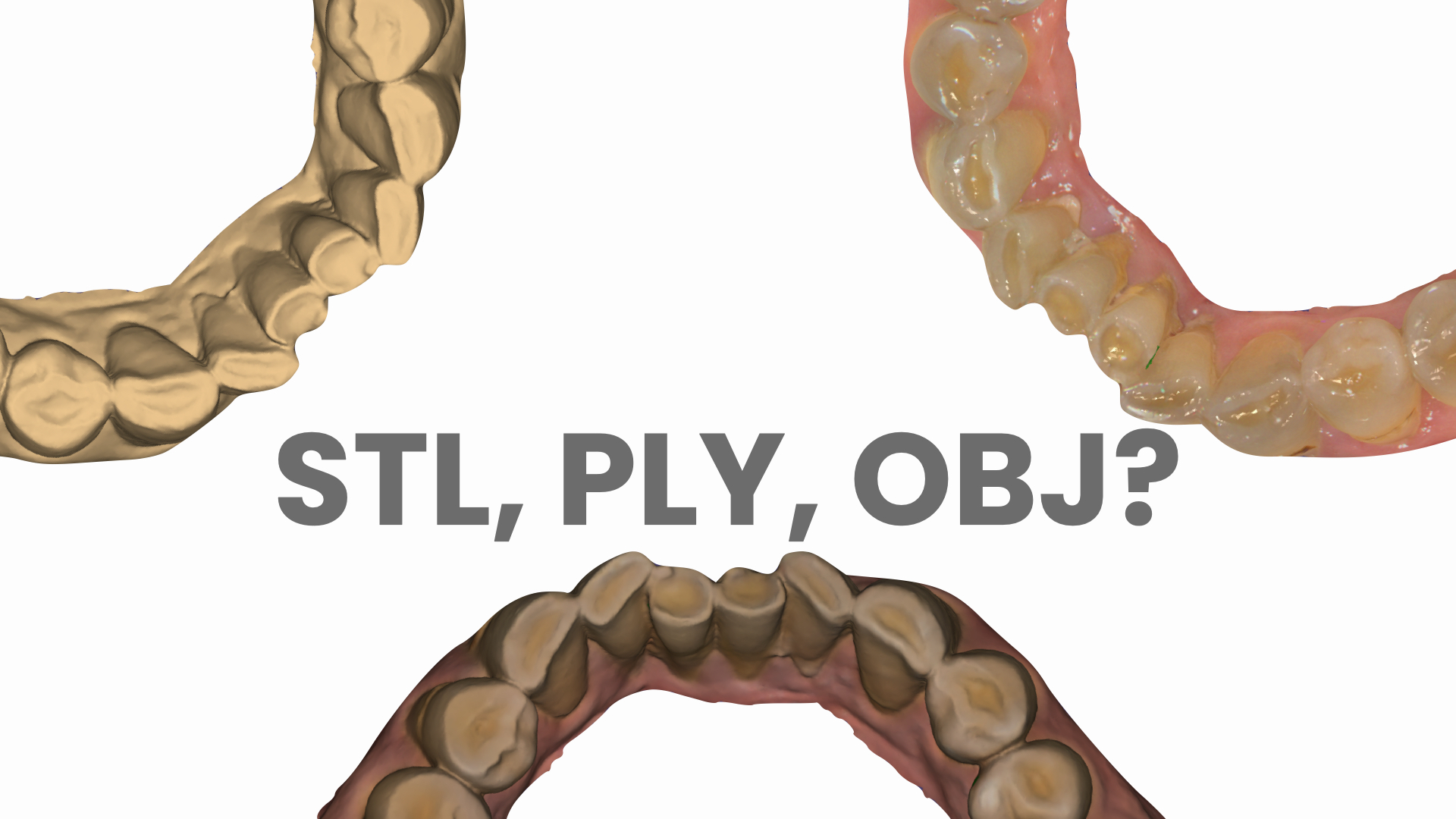
22.03.2026
Conventional impression methods are increasingly being replaced by digital scanning. Data acquired through intraoral scanners can be quickly transformed into restorations using milling machines or 3D printers. However, a critical question arises: in which file format should the scan be saved?
View
13.12.2025
Achieving long-term success in restorative dental treatments depends not only on procedures performed during treatment but also on the careful management of pre- and post-operative processes. Common failures encountered in clinical practice include shade mismatch, composite restoration failure, restoration fractures, marginal adaptation problems, discoloration, inadequate surface morphology, surface wear related to parafunctional habits, and post-operative periodontal complications.
View
13.12.2025
In pediatric dentistry, treatment approaches applied during the primary and mixed dentition periods influence not only the preservation of existing teeth but also the healthy development of the permanent dentition.
View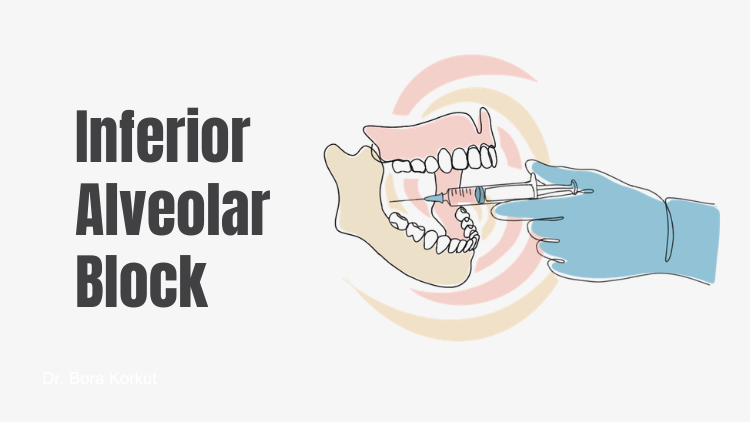
08.11.2025
Mandibular anesthesia is one of the cornerstones of dental practice, and the success of the anesthesia is essential for both patient comfort and treatment efficacy.
View
01.11.2025
Lingual orthodontic systems function with brackets placed on the lingual surfaces of the teeth, offering an invisible treatment alternative for patients with high esthetic demands.
View
01.11.2025
Long-term success in endodontic treatment is directly related not only to the removal of infected tissues but also to proper filling of the root canal system. Advances in technology have led to significant changes in contemporary treatment protocols, with techniques such as warm vertical condensation, bioceramic-based hydraulic condensation, and apical plug techniques gaining increasing prominence.
ViewWe use cookies to ensure the best experience on our website. By continuing to browse this site, you agree to our use of cookies. Learn more in our User Agreement, Privacy Policy, and GDPR Notice.